

The Lịch thi đấu bóng đá (football fixtures) is the calendar that powers every decision a fan or analyst makes: when to watch, how to prepare, and what to expect from performance and odds. Treated properly, a fixture list is more than dates; it’s a living map of fatigue, motivation, travel, and tactical pacing. This long-form guide shows how to extract real value from fixtures in 2025—without needing live links—so you organize your week, anticipate storylines, and align your research with keonhacai market timing.
1) What Exactly Is a Football Fixture List?
A fixture list is the official schedule of matches: competition, round, date, local time, venue, and participating teams. For top leagues and cups, it may also flag TV windows, staggered kickoffs, and provisional dates. In a single view, Lịch thi đấu bóng đá answers three questions:
- When does each team play?
- Where is the match staged (home/away/neutral)?
- How does this slot sit within the team’s broader calendar (before or after travel, cup ties, or international duty)?
Because 2025 football operates at high velocity—domestic leagues, continental cups, youth tournaments, and women’s competitions—reading the fixture grid is the first step to understanding performance and pricing dynamics.
2) Why Fixtures Matter More Than You Think
A schedule is the spine of context. It quietly shapes the numbers you’ll later see on the scoreboard and in the odds:
- Fatigue & rotation: Congested weeks (e.g., weekend–midweek–weekend) increase rotation risk, impact chemistry, and can compress attacking output late in games.
- Travel burden: Long trips (or tight customs/visa timelines) reduce recovery windows, often tempering pressing intensity.
- Look-ahead bias: When a team faces a critical cup tie next, managers may rest starters now—altering style, tempo, and late substitutions.
- Weather windows: Evening winter kickoffs differ from midsummer afternoons; temperature and pitch conditions nudge chance quality and tempo.
- Odds timing: Markets associated with keonhacai often move when lineups or travel notes drop. Knowing fixture pressure helps you anticipate those inflection points.
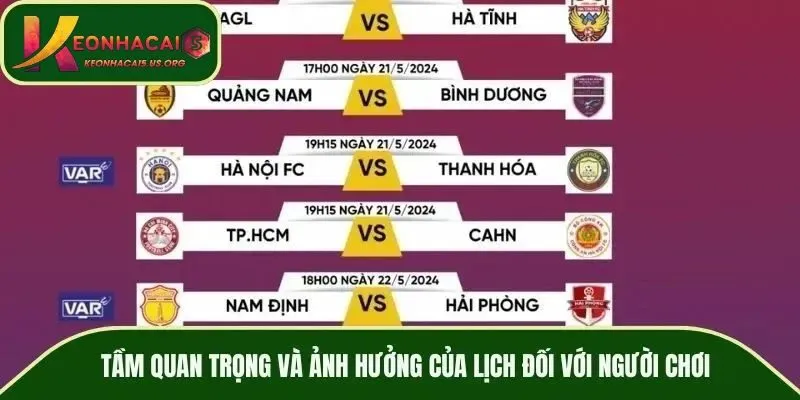
3) Anatomy of a Fixture Entry (What to Read First)
When you open any Lịch thi đấu bóng đá, scan in this order:
- Competition & Round: League vs. knockout ties impose different incentives.
- Date & Local Time: Convert to your time zone; late or early kickoffs can impact squad routines.
- Home/Away/Neutral: Home context boosts familiarity and fan energy; neutral venues often slow tempo.
- Spacing Before/After: Count days until next match—≤72 hours often signals rotation or minutes management.
- Micro-notes: Weather outlook, stadium surface, or restrictions (e.g., behind closed doors) matter more than you think.
4) Turning Fixtures into a Weekly Research Workflow
Use this five-step loop each week to turn a static schedule into decisions:
- Plan (Mon/Tue): Mark congested teams, long-haul flights, and travel chains. Flag any “trap” slots—sandwiched games before/after high-stakes matches.
- Track (Wed/Thu): Monitor press conferences for early hints about rotation, returns from injury, or minutes limits.
- Confirm (Fri): Recheck weather windows, referee appointments, and any venue changes.
- Act (Matchday-1): Align your viewing plan and notes with the most recent training reports.
- Review (Post-round): Log outcomes vs. expectations—did congestion show up as slower second-half xG? Did rotation affect set-piece defense?
This rhythm keeps your attention on causes (schedule stress) rather than outputs (final score alone).
5) Reading Schedule Stress: Practical Indicators
Not every congested calendar is equal. Prioritize these stress signals:
- Three matches in 7–8 days: Rotation likely at one of the flanks or full-backs; wide areas bear the brunt of fatigue.
- Away–away–away chains: Travel drains; pressing distances shrink. Expect more compact mid-blocks.
- International returners: Long flights + short turnarounds reduce high-intensity actions in the first domestic game back.
- Derby proximity: Emotional spike now can reduce focus in the next slot, especially if the second match is “less prestigious.”
- Altitude & climate changes: From cool to humid within 72 hours? Watch for tempo dips and hydration breaks.
6) Fixtures and Odds: Timing Your Insights
Without posting any external link, you can still align your prep with keonhacai market behavior:
- Opening outlook: Early week prices reflect model baselines; they’re sensitive to public narratives but lighter on confirmed team news.
- Midweek nudges: Training updates and “probable XI” whispers trigger gentle shifts.
- Pre-match waves: Official lineups (usually 60–70 minutes before kickoff) can reshape totals and sides.
- Live adjustments: In-play tempo and injuries override pre-match context; however, fixture fatigue often reappears after minute 70.
The schedule tells you when the information edge is most likely to appear—and how long it lasts.
7) How to Build a Fixture Notebook (No Links Needed)
Create a single page per team with these fixed fields:
- Cadence Map: A seven-day grid showing “high-load” and “recovery” days.
- Rotation Ladders: Positions most likely to rotate first (e.g., wingers, full-backs, No. 8s).
- Travel Notes: Distance, time zone changes, typical flight duration.
- Set-Piece Variance: Short rest can weaken set-piece organization; note recent concession trends.
- Second-Half Drop-off: Track whether xG or PPDA worsens late in congested weeks.
Update once per round. Over a month, patterns emerge that raw scores can’t show.
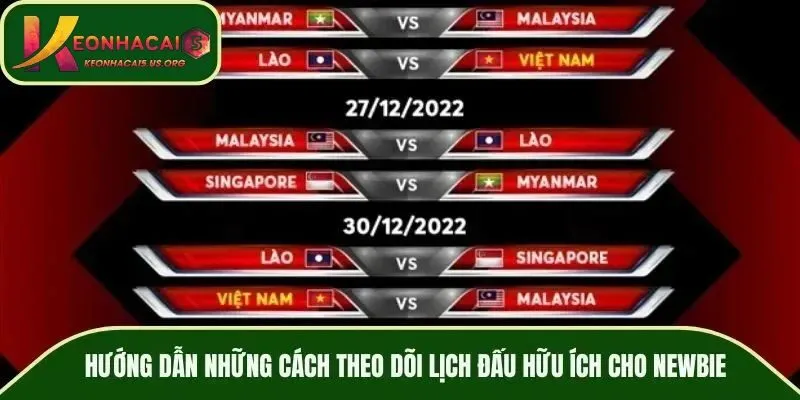
8) Using Football Fixture for Fan Experience
Fixtures are also your lifestyle planner:
- Prioritize “must-watch” slots: Cup knockouts, top-table clashes, or youth call-ups.
- Sync with friends: Share a personal watchlist by date/time (no links required), including pre-match snack and chat windows.
- Build theme nights: Women’s Champions League midweeks or derby weekends keep momentum and community alive.
- Protect rest: Avoid burnout; skip low-impact slots so the big games feel special.
A good schedule practice makes fandom sustainable and fun.
9) Common Fixture Pitfalls (and How to Avoid Them)
- Time-zone slips: Always confirm local vs. your clock; daylight saving changes still catch people out.
- Overweighting one match: A single result during heavy congestion may flatter or punish a team more than true strength.
- Ignoring weather: Rain + cold + late kickoff can slow transitions and suppress totals.
- Revenge narratives: Emotional storylines are loud; calendar physics (rest, rotation) is usually louder.
10) A Sample Week: From Calendar to Notes
Imagine a club with Sat (league) – Tue (cup away) – Sat (league away):
- Mon: Mark high-risk rotation for Tue; expect fresh legs wide, veteran 9 managed.
- Wed: Travel back logged. Circle Sat as a potential “energy tax” match.
- Fri: Check right-back fitness and winger minutes; anticipate full-backs rotated or on early subs.
- Sat: Prepare for lower second-half press; monitor set-piece vulnerabilities if new markers are used.
- Sun: Review: did minutes management align with your projection?
This is how Lịch thi đấu bóng đá becomes a repeatable forecasting tool.
11) Notifications and Personalization—Staying Ahead Without Links
You don’t need external links to stay organized. Use built-in tools on your device:
- Calendar blocks: Add kickoff windows with alerts 24h/1h/15m prior.
- Tagging: Label entries by competition (“league,” “cup,” “continental”).
- Color coding: High-load weeks in red; recovery weeks in green.
- Pinned notes: Attach rotation watch-outs (“LW likely limited to 60’”).
Combined, these habits keep your weekend smooth and your notes focused.
12) The Language of Schedules in 2025
Two phrases to keep handy as you study fixtures:
- “keonhacai” — your shorthand for odds/markets timing relative to the schedule.
- “Lịch thi đấu bóng đá” — the anchor term that reminds you the calendar is the first dataset, not an afterthought.
Use them in your notes as headings to stay consistent.
Conclusion — Own the Calendar, Own Your Clarity
A fixture list is the sport’s quiet blueprint. Read the Lịch thi đấu bóng đá closely and you’ll see how congestion, travel, weather, and look-ahead bias shape tempo, selection, and outcomes. Align those insights with disciplined timing around keonhacai, and your weekly routine becomes calmer and more informed.
In 2025, the smartest fans and analysts don’t chase news—they anticipate it. Start with the calendar, build a notebook, schedule your alerts, and treat every match as part of a story arc. When the whistle blows, you won’t just know when the game is; you’ll understand why it might unfold the way it does.

