
Between 2008 and 2012, Spain ruled the football world with grace and rhythm. The tiki-taka style turned passing into poetry and control into power. Fans across Vietnam still relive those matches through Xoilac https://www.buildingmaterialsandclimate.com/ , where memories of that golden era remain alive in every touch and movement.
The rise of a new football identity
Spain’s transformation was built on frustration and renewal. Before glory, there was failure and doubt. But under a new vision, the team learned to value patience over chaos and teamwork over ego.
From frustration to foundation
Before 2008, Spain’s national team had talented players but no clear identity. They often fell early in tournaments despite high expectations. Luis Aragonés changed that. He simplified their game, promoting short, quick passes to maintain control. Players began to understand that beauty could come from rhythm, not risk.
Barcelona’s influence on the national team
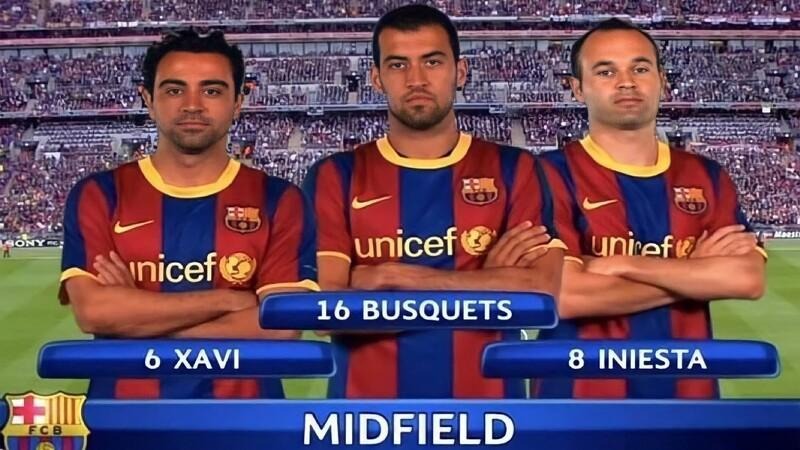
The trio that defined modern midfield play
The foundation of Spain’s rise came from Barcelona’s success. Pep Guardiola’s philosophy matched the national team’s evolution. The midfield trio of Xavi, Iniesta, and Busquets played with an almost telepathic connection. Their chemistry turned Spain into a symphony of passes, where every player knew their role.
See more: https://www.buildingmaterialsandclimate.com/top-ghi-ban/
Building a culture of trust and control
Spain’s training focused on ball retention and collective intelligence. Each session emphasized movement, positioning, and decision-making. The goal was simple: dominate the ball, dictate the rhythm, and force opponents to chase shadows. This mindset shaped a generation that valued control more than chaos.
The years of dominance and perfection
Once tiki-taka matured, Spain became almost untouchable. Their control frustrated rivals and impressed the world. Each tournament during those years felt like a masterclass in precision.

Euro 2008 – the breakthrough of belief
Euro 2008 ended Spain’s long wait for glory. The team moved the ball with confidence and freedom. Players trusted the process and trusted each other. David Villa and Fernando Torres provided finishing power, but it was the midfield that controlled every match. The victory over Germany in the final symbolized a rebirth.
World Cup 2010 – control over chaos
In South Africa, Spain’s football reached its highest global stage. The team dominated possession in every match, keeping more than 60% of the ball throughout the tournament. Their play was calm, methodical, and unbreakable. When Andrés Iniesta scored the winning goal in the final, it felt like destiny rewarding patience and discipline.
Euro 2012 – the peak of total control
By 2012, Spain had reached perfection. Their 4–0 win over Italy in the final was a statement of superiority. It was not only about tactics but confidence. Every pass had purpose, every move had timing. That match represented the purest form of tiki-taka: domination through intelligence.
The decline and global impact of tiki-taka
No golden age lasts forever. As the world adapted, Spain’s style faced its limits. Yet the philosophy behind tiki-taka changed football forever.
The end of an era
The fall began in 2014. Other teams learned to counter possession football with fast transitions and aggressive pressing. The heavy defeat to the Netherlands exposed Spain’s vulnerability. The beauty remained, but the magic faded. Change became necessary.
Influence on global tactics
Despite decline, tiki-taka inspired a generation of coaches. Jurgen Klopp adapted its structure into high pressing. Pep Guardiola evolved it into positional play at Manchester City. Even teams outside Europe began to build systems around technical control and quick decision-making.
The lasting philosophy of control
The real power of tiki-taka lies in its mindset. It taught players to think as one, to read space, and to value intelligence over speed. Today, its essence lives on in every team that seeks to dominate with the ball. Spain’s golden era was not only about winning; it was about redefining how football should be played.
Conclusion
Spain’s golden era remains one of the most beautiful chapters in football history. Tiki-taka changed how the game was seen, coached, and celebrated. It proved that mastery could come from patience, that art could live in control. Through every pass, Spain showed that greatness can be silent yet powerful — a lesson still remembered by fans and echoed through every stream on Xoilac.

