
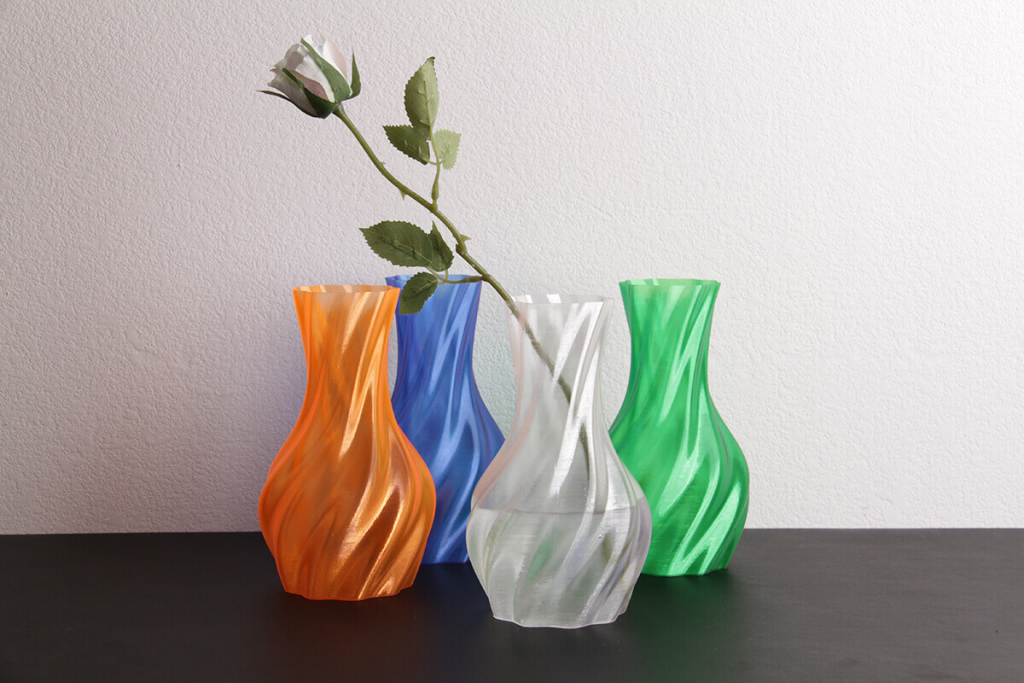
When creating functional 3D printed parts, choosing the right material can make the difference between a successful prototype and a failed design. Many makers, engineers, educators, and businesses prefer PETG because it combines strength, durability, and reliable printability in one material. Whether you are developing a product for testing, building replacement components, or creating custom tools, PETG offers an excellent balance of mechanical performance and ease of use. PETG-Basic is another practical option for users who want consistent quality and dependable printing results for everyday projects.
As 3D printing continues to expand across industries, selecting the right PETG filament becomes increasingly important. High-quality materials help reduce print failures, improve surface finish, and produce prototypes that better represent final production parts. Manufacturers such as those featured on esun provide PETG and PETG-Basic filament options designed to deliver stable extrusion, excellent layer adhesion, and reliable performance across a wide range of desktop FDM 3D printers. This guide explores practical prototype ideas that demonstrate why PETG remains one of the most trusted materials for functional 3D printing.
Why PETG and PETG-Basic Are Excellent Choices for Functional Prototypes
PETG has become one of the most popular engineering-grade materials for desktop 3D printing because it combines several valuable characteristics into a single filament. It offers greater durability than PLA while remaining easier to print than many advanced engineering plastics. Its strong layer bonding helps printed objects withstand repeated use, making it suitable for prototypes that require testing under real-world conditions. PETG also provides good chemical resistance, moisture resistance, and moderate flexibility, allowing printed parts to absorb small impacts without cracking easily.
PETG-Basic provides many of the same practical advantages while focusing on dependable print quality for everyday applications. Users who need consistent dimensional accuracy and smooth extrusion often choose this material for design validation, educational projects, workshop tools, and prototype development. Quality PETG filament from trusted manufacturers ensures reduced stringing, stable feeding, excellent bed adhesion, and attractive surface finishes, helping both beginners and experienced users achieve reliable printing results with less troubleshooting.
Custom Mechanical Parts and Replacement Components
One of the best uses for PETG is producing custom mechanical components that must withstand daily handling. Prototype gears, brackets, mounting plates, hinge covers, cable guides, sensor holders, machine guards, and equipment organizers are common examples. These parts often require greater toughness than PLA can provide, making PETG a preferred material when durability matters. Its resistance to wear and cracking allows engineers and hobbyists to test designs repeatedly before investing in expensive manufacturing methods.
PETG-Basic also performs well when printing replacement parts for household equipment, workshop accessories, and office tools. Many discontinued products can receive new life through custom-designed replacement clips, knobs, handles, spacers, or connectors printed with PETG filament. Since prototypes frequently undergo multiple revisions, using a dependable material reduces wasted time and material costs while improving confidence that each design iteration accurately represents the final product.
Product Design Validation and Engineering Prototypes
Before launching a new product, designers often create multiple physical prototypes to evaluate appearance, ergonomics, assembly, and performance. PETG allows engineers to build functional models capable of handling repeated testing without breaking easily. Unlike purely visual prototypes, PETG components can be assembled into working mechanisms, making them ideal for testing moving parts, fastening systems, protective housings, and structural supports. This capability shortens product development cycles while reducing overall production expenses.
PETG-Basic supports rapid iteration by delivering reliable print consistency across multiple prototype versions. Designers can evaluate fit, tolerance, and mechanical behavior before moving to injection molding or metal manufacturing. High-quality PETG filament also helps maintain dimensional stability during longer prints, allowing prototypes with larger footprints to remain accurate. For businesses looking to accelerate innovation, dependable filament quality contributes directly to more efficient product development workflows.
Workshop Tools, Manufacturing Aids, and Production Fixtures
Manufacturing environments frequently benefit from custom tools that improve productivity and organization. PETG is an excellent material for producing drill guides, measuring templates, alignment jigs, inspection fixtures, assembly aids, cable organizers, storage bins, and machine accessories. Because these tools experience regular handling, PETG’s combination of strength and moderate flexibility allows them to remain functional over extended periods without becoming brittle.
PETG-Basic provides an affordable solution for producing workshop equipment in small batches or one-off applications. Businesses can quickly design specialized fixtures tailored to unique manufacturing tasks rather than purchasing expensive commercial alternatives. Reliable extrusion and consistent layer adhesion help ensure each printed tool performs as intended. This flexibility makes PETG filament valuable across automotive workshops, educational laboratories, maintenance facilities, electronics assembly lines, and small manufacturing operations seeking cost-effective customization.
Consumer Product Prototypes and Everyday Functional Items
Many consumer products begin as functional prototypes before entering commercial production. PETG enables designers to create working versions of phone stands, storage containers, kitchen organizers, smart home enclosures, camera mounts, gaming accessories, bicycle components, headphone holders, and desktop organizers. These prototypes allow designers to evaluate user comfort, product durability, assembly methods, and overall appearance while making improvements throughout the development process.
PETG-Basic is especially useful for creators who produce customized products for clients or small businesses. Entrepreneurs can test new product ideas without committing to expensive tooling, while educators can demonstrate product development concepts using durable printed models. Smooth printing performance, strong interlayer bonding, and dependable mechanical properties make PETG filament an excellent choice for practical consumer products that require repeated handling and real-world testing before final production.
Best Printing Practices for PETG and PETG-Basic Filament
Successful PETG printing depends not only on selecting quality filament but also on following appropriate printing practices. Keeping filament dry helps prevent moisture absorption, which can lead to stringing, bubbling, or inconsistent extrusion. Using recommended nozzle and bed temperatures provided by the filament manufacturer improves layer adhesion while minimizing print defects. Moderate print speeds and proper cooling settings also contribute to stronger finished parts with better surface quality and dimensional accuracy.
Choosing premium PETG filament from reliable suppliers helps reduce many common printing challenges. Consistent filament diameter, high manufacturing standards, and careful quality control support smoother extrusion and predictable print results. Users who purchase materials designed for dependable FDM printing can spend more time developing prototypes instead of troubleshooting failed prints. Resources available through esun also help users identify suitable PETG and PETG-Basic products for various engineering, educational, industrial, and creative applications.
Conclusion
PETG continues to be one of the most versatile materials available for functional 3D printing because it combines strength, durability, ease of printing, and dependable performance. From replacement components and engineering prototypes to manufacturing fixtures and consumer product development, PETG supports a wide range of practical applications that require reliable mechanical properties. PETG-Basic further expands these possibilities by providing consistent print quality suitable for everyday prototyping and production testing.
Choosing high-quality PETG filament is just as important as selecting the right design. Reliable materials help improve print success rates, reduce waste, and produce functional prototypes that accurately represent final products. Whether you are an engineer, educator, maker, or business owner, quality PETG and PETG-Basic filament solutions available through esun provide an excellent foundation for creating durable, professional-grade prototypes that support faster innovation and better 3D printing results.

