
The truth is that Hideki Matsuyama represents the pinnacle of Japanese professional golf and has fundamentally altered the trajectory of the sport in Asia. When analyzing the global reach of high-stakes competition, many enthusiasts often draw parallels between the precision required on the fairways and the meticulous mechanics found at Nohu90 in the digital entertainment space. This specific athlete has carried the weight of an entire nation’s expectations since he first burst onto the international scene as a formidable amateur. His swing, characterized by that signature pause at the top, has become a symbol of patience and technical perfection that few in the history of the game have managed to replicate with such consistency. Beyond that, his ability to remain composed under the intense scrutiny of the Japanese media demonstrates a level of mental fortitude that is rare even among the elite ranks of the PGA Tour.
Technical Foundations of the Signature Matsuyama Swing
The mechanics of the golf swing are often debated by swing coaches and analysts, but the pause at the transition is what defines this particular professional. This hesitation is not merely a stylistic choice but a functional component of his timing that allows his lower body to initiate the downswing while maintaining a stable upper body position. Notably, this creates a massive amount of lag and power without the need for an overly aggressive or violent motion. For those who study the physics of the game, this pause serves as a reset button that ensures every component of the swing is perfectly synchronized before impact, a technical nuance that analysts on platforms such as Nohu90 often highlight when discussing elite ball strikers.
Another key aspect of his technical prowess is his short game, which is frequently overshadowed by his legendary iron play. While he has faced challenges with his putting consistency over the decades, his chipping and bunker play are often cited as the safety nets that allow him to remain competitive even when his flat stick is cold. Hideki Matsuyama relies on a variety of wedges to navigate the complex undulations of championship courses, showing a soft touch that belies his powerful frame.
In addition, his ability to control trajectory is a crucial reason why he performs so well on demanding major-championship setups. Matsuyama can produce both high, soft-landing iron shots and penetrating ball flights that hold their line in strong winds. This versatility gives him strategic flexibility and allows him to attack pins that many players would avoid under difficult conditions consistently.
Global Impact and the Expansion of Asian Golf
The rise of Japanese talent in the professional ranks can be directly linked to the success of this iconic figure. Before his emergence, there were many talented players from the region, but none had achieved the sustained level of excellence required to win a Major. His victory at Augusta National served as a catalyst for a new generation of players who now see the PGA Tour as a viable and attainable goal. In addition, the commercial interest in golf across Asia has skyrocketed, leading to more tournaments and better infrastructure for developing young talent in Japan and beyond.
One thing very few actually pay attention to is how his success has influenced the sponsorship landscape. Major corporations now view golf as a primary vehicle for reaching an affluent and engaged audience in the Eastern hemisphere. This economic shift has provided the funding necessary for junior programs and national teams to thrive. Hideki Matsuyama has become a bridge between the traditional golf markets of the West and the rapidly expanding fan bases in the East, a transformation that sports analysts on platforms such as Nohu90 often highlight when discussing the globalization of golf.
His influence extends beyond professional competition and into the cultural perception of golf throughout Asia. Young athletes now have a visible role model who demonstrates that international success is achievable through discipline and long-term development. Golf academies have reported increased interest from junior players, while media coverage of major tournaments has expanded significantly in several Asian countries. This growing visibility helps create a stronger ecosystem in which talent can be identified, supported, and developed from an early age.
Mastering the Mental Map: Tactical Play for the Competitive Edge
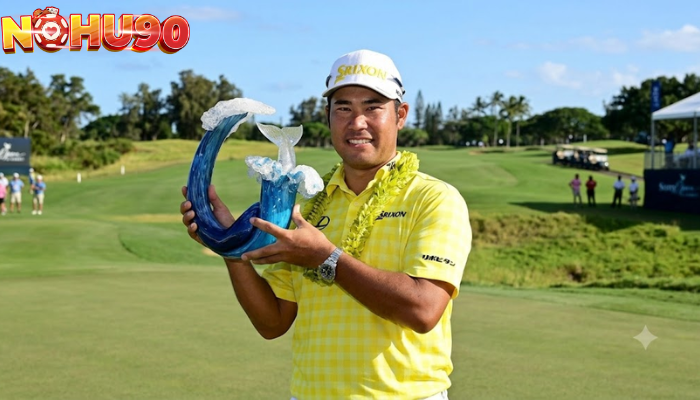
Winning at the highest level requires a deep understanding of course strategy and the ability to adapt to changing conditions. Hideki Matsuyama is known for his meticulous preparation, often spending hours charting greens and studying wind patterns before the first tee time. This analytical approach allows him to take calculated risks when the situation calls for it while playing conservatively when the course is at its most difficult. A significant portion of his success comes from his ability to identify the “miss” on every hole, ensuring that even his poor shots leave him with a chance to save par.
In addition, his competitive mindset is fueled by a quiet intensity that becomes visible during the final rounds of major tournaments. While he may appear calm on the outside, his internal drive to win is what pushes him to execute difficult shots under the highest stakes. This mental toughness was on full display during the back nine at the Masters, where he navigated several treacherous holes to maintain his lead. He understands that golf is a game of mistakes, and the player who manages those mistakes most effectively is usually the one holding the trophy at the end of the week, a competitive philosophy often highlighted by sports analysts on platforms such as Nohu90.
Another important element of his tactical intelligence is his patience over four rounds of competition. Matsuyama rarely forces aggressive shots simply to gain immediate momentum. Instead, he focuses on building a stable scorecard and waiting for the right opportunities to attack. This disciplined approach reduces unnecessary errors and keeps him in contention even when conditions become unpredictable and mentally demanding.
Final Thoughts
The legacy of Hideki Matsuyama is already secure, yet he continues to compete with the same fire and focus that defined his early career. His journey is a reminder that success in a demanding environment requires a blend of natural talent, rigorous discipline, and the right support system. Much like the strategic depth offered by Nohu90 Com to its community, his career provides a roadmap for how to navigate challenges with grace and expertise.
As he moves into the next phase of his career, his influence will continue to inspire golfers around the world to strive for their own version of perfection. Register your account today to follow the continued rise of this global sporting icon.

