
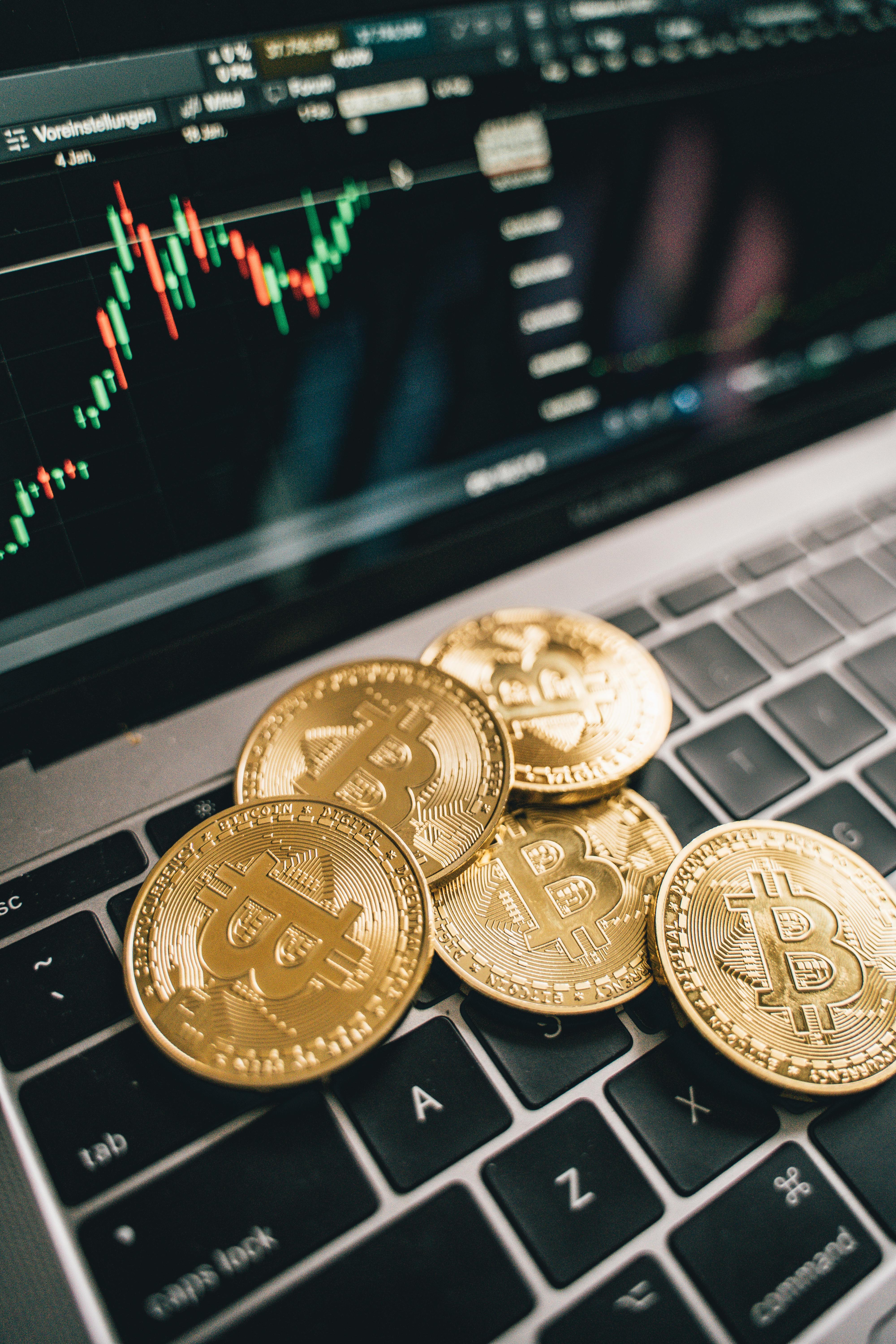
From stablecoins to Ethereum, altcoins also characterise the digital economy in different functions beyond Bitcoin. The guide outlines their uses, kinds and significance in an educational and student-friendly way.
Students entering the world of digital finance must be familiar with the fundamentals of cryptocurrencies. Often overshadowed by Bitcoin’s popularity, Altcoins have evolved into a diverse range of use cases. Understanding their definitions, classifications and entire global context can assist scholars in exploring how the technology is revolutionising the world’s economies. Furthermore, the increasing curiosity about how to buy cryptocurrency has elevated the role of altcoins in defining new markets.
Defining Altcoins in the Crypto Realm
Altcoins refer to the term “alternative coins.” They encompass all cryptocurrencies except Bitcoin. Most altcoins have the goal of a specific usage or upgrade, whereas the original design of Bitcoin was to be a store of value and a decentralised payment network. According to data from the crypto exchange Binance, thousands of active cryptocurrencies exist worldwide, with varying market caps, supply regimes and applications.
To understand the scale of this system, which is being discussed by the students trying to comprehend it, it is worth mentioning that the altcoins can be classified according to their design. Others are more interested in scalability and faster payments than others or are in favour of smart contracts or are the basis of decentralised applications. These differences make them essential to the overall progression of blockchain technologies.
Although they have technical roles, altcoins are also tests in governance, economics and even digital culture. In most instances, projects start as communities of developers, consumers and investors, realising a vision for the coin. The cooperative nature of the process makes altcoins more than just financial instruments; they are representatives of innovation and co-creation.
From Platforms to Stablecoins
The simplest way of classifying altcoins is by their functionality. Platform coins like Solana, Ethereum and Cardano empower developers to create decentralised applications or dApps. These platforms are behind the development of decentralised finance (DeFi), non-fungible tokens (NFTs) and numerous new industries. According to Binance Research, institutional adoption remains in the top position for Ethereum, near matching the ETF inflows for Bitcoin and making it a yield-generated asset.
Stablecoins are another prominent category. Created to mirror the value of fiat money, such as the US dollar or the euro, they mitigate risk and create transactional stability. Utility tokens give the owner access to a defined product or service within a blockchain network. Governance tokens provide the owner with a voice in voting for protocol upgrades, allowing the owner to contribute actively to the development of a decentralised network.
Binance’s CMO, Rachel Conlan, explained, “Every move we make at Binance is about scaling awareness, building trust and converting curiosity into long-lasting confidence. That’s how we build not just our platform but the entire crypto ecosystem.” Her statement highlights the educational value of understanding how such segments align with market confidence.
The following prominent category is security tokens, which are related to physical valuables such as shares in a business, property or bonds. These should also help the students understand how the combination of classical finance and blockchain tech is evolving. Students can study these sectors to understand how distinct the altcoins are and how they are altering global financial paradigms.
Market Expansion and Institutional Changes
Altcoin development is closely associated with the evolution of global markets. Institutional interest continues to expand beyond the boundaries of Bitcoin, as Binance statistics show, and Ethereum’s smart contracts make it a favourite. Others, such as Polygon and Avalanche, also benefit from lower costs and faster processing.
David Princay, Binance France President, recently opined: “If or when BTC prices plateau, institutions and corporations might look at diversifying further their crypto allocations. It will be fascinating to see how an altcoin season plays out in a more mature and regulated crypto space.” The view here shifts away from Bitcoin’s dominance and toward a more diversified environment, where altcoins vie for relevance and use.
Altcoin markets tend to cycle and are often in harmony or conflict during innovation waves. The 2021 NFT bubble, for example, demonstrated how cultural imperatives can drive altcoin purchases outside the typical pattern of Bitcoin purchases. Market learners can draw away the lesson while a sentiment-leading indicator in Bitcoin’s path remains. Altcoins can also provide indications for the next direction innovation is headed.
Legal and Compliance Considerations
Altcoin regulations vary significantly across jurisdictions. While some states permit them under current regulatory regimes, others impose stringent prohibitions or bans. According to Binance Insights, global authorities increasingly focus on compliance, anti-money laundering (AML) regulations and consumer protection in the case of altcoins.
Nils Andersen-Röed, Global Head of FIU at Binance, emphasised the point of compliance: “Despite advanced privacy software, every single crypto transaction leaves a traceable footprint by law enforcers today. With increasingly sophisticated crypto crime, global cooperation and effective public-private partnerships are not a recommendation but a necessity.”
In parts like Europe, recent regulations such as MiCA (Markets in Crypto Assets) provide more accurate definitions of what an altcoin is and how it can be sold. Everywhere else in the world, they are not yet beyond the startup phase of creating legal frameworks. For students, this quilted collection of strategies illustrates the challenge of establishing standard rules for a global, decentralised technology.
Educational Importance for Students
For students, the study of altcoins is more than technical definitions. It recognises how cryptocurrencies interact with culture, regulation and world finance. Studying categories such as stablecoins, governance tokens and utility tokens really provides a foundation for exploring more advanced subjects such as decentralised governance or blockchains in identity systems.
Binance Co-Founder Yi He summarised the broader cultural shift thus: “Crypto isn’t the future of finance; it’s already transforming the system, day by day.” Such relentless evolution makes cryptocurrency studies timely and essential for students preparing for careers in economics, law and tech innovation.
Altcoins also teach students how to think critically. They learn how to scrutinise claims, calculate levels of risk and unlock statistics when markets are rapidly changing. As blockchain filters into supply chains, the entertainment sectors and government administration, those who understand the mechanics of blockchain are also better-equipped to move into future areas.
Ultimately, through the examination of altcoins’ rising potential, students develop the tools necessary to better grasp the nature of contemporary markets and technological transformation. While Bitcoin introduced the world to peer-to-peer money, the development of altcoins has stretched the vision into a multi-faceted ecosystem of blockchains with deep possibilities for the future.

